Overview of the UAE Oil and Gas Industry
Published on
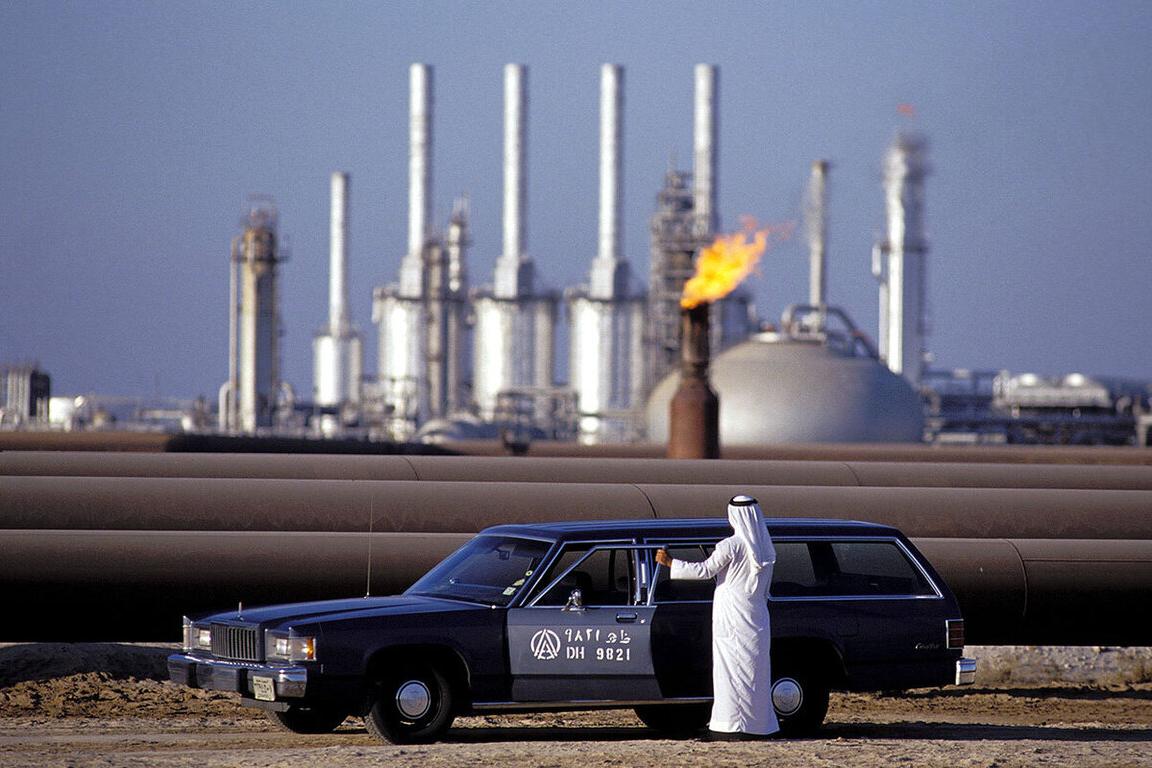
The oil and gas industry is a foundation of the UAE's national prosperity. Exports from extraction and refining remain a major source of national income.
During the development of its deposits, the UAE economy expanded to rank among the world's leaders in GDP per capita. One sign of stability is the dirham's long-standing fixed relationship with the US dollar.
The oil industry
Discovery of the Fateh oil field in 1966 and the first exports in 1969 transformed the economy. Residents moved from traditional activities such as date harvesting, pearl diving, and fishing toward hydrocarbon production.
A network of oil pipelines connects production wells with refineries and port terminals across the UAE. A similar transportation system serves natural gas.
Most UAE oil is produced offshore in the Persian Gulf, where the majority of fields are located. Abu Dhabi holds about 96% of reserves. The crude is generally light and low in sulfur, while the refinery network has combined capacity of roughly 60 million tonnes annually.
Gas potential
Developing and producing gas in the UAE is relatively expensive, yet output continues to rise because consumption doubled over the previous decade. The country even became a net importer and commissioned a pipeline from Qatar.
Natural gas produced in the UAE is used domestically for:
- Electricity generation.
- Feedstock for chemical plants.
- Operational needs of LNG facilities.
- Seawater desalination.
- Injection into wells to stimulate oil production.
Rapid economic growth required an expanded gas-pipeline network, which now connects many facilities inside and outside the country.
Exports
Most crude oil and refined products are exported by sea. Several ports and major terminals in the Persian Gulf handle shipments by tanker to China, the United States, Japan, India, Europe, and Asia-Pacific markets.
Although domestic gas demand exceeds the country's own capacity, the UAE also exports gas. Domestic consumption is roughly ten times export volume.
ADNOC LNG produces liquefied natural gas from offshore feedstock and provides gas-processing services. India and Japan are its main customers, with smaller volumes going to Pakistan, China, and Taiwan.
Investment priorities
Official information on the allocation of revenues shows that the UAE actively diversifies investment flows. Most income is directed to developing:
- Tourism.
- Trade.
- Industry, including chemicals, food, and engineering.
- Agriculture.
As a result, both domestic companies and major international players invest actively in the country.
ADGM free economic zone
To support economic growth and investment appeal, Abu Dhabi created ADGM, a geographically defined free zone allowing companies with 100% foreign ownership. Permitted activities include banking, insurance, asset management, and others, while special structures such as SPVs can also be registered.
Fujairah Free Zone
Fujairah Free Zone is an attractive business location. It has the UAE's second-largest container terminal after Dubai and one of the major bunkering ports on the maritime route from Asia-Pacific to Europe. The port is also a leading hub for oil and petroleum-product exports. Fujairah International Airport connects cargo with destinations worldwide. Free-zone companies may import, export, and re-export goods, often at lower setup cost than Dubai. FCC offers virtual and standard offices, warehouses, and land. The zone suits companies seeking lower UAE operating costs, and its licenses can cover oil and petroleum-products trading.
The Level Consulting can help establish and grow a UAE oil and gas business, providing services from company registration and licensing to strategic planning and market entry.
Order a consultation
Learn about the benefits and details of starting or relocating a business in the UAE