Company Registration in UAE Free Economic Zones
Published on
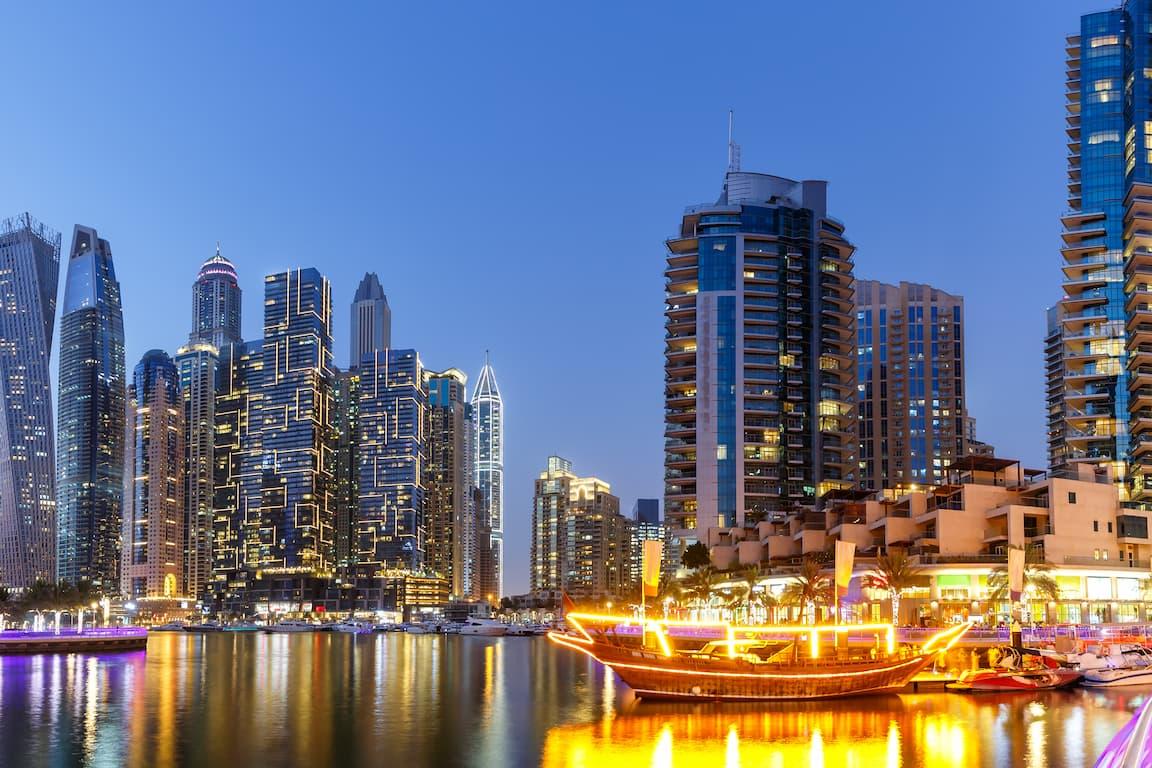
UAE free economic zones are designated jurisdictions offering entrepreneurs favorable business conditions. The UAE has more free zones than any other Gulf country, and they lead comparable regional programs in trade and foreign direct investment.
What is a UAE free zone?
A free zone provides business-friendly conditions. Before 2021, it was the main route for foreign investors to own a UAE company without allocating 51% to a UAE national, although mainland ownership rules have since changed.
Even after mainland reforms removed many local-shareholder requirements, free zones remain popular for their established registration processes and convenient operating conditions. Mainland structures offer different advantages.
Benefits vary by zone but commonly include:
- tax and customs incentives, subject to eligibility;
- political stability and economic growth;
- competitive access to utilities and infrastructure;
- a strategic location for global markets, particularly North Africa and East and Central Asia.
How to choose a free zone
Choose according to business activity, geographic reach, and operating needs. Some zones accept many sectors, while others specialize in fintech, finance, or industry.
A free-zone company may face restrictions on conducting business outside its chosen zone or directly on the mainland. Selecting a zone that does not match the company's activity can eliminate its benefits.
In addition to specialization, consider:
- share capital. Minimum requirements differ widely by zone and activity;
- residency of key officers. Some zones require residence visas or a UAE presence for certain employees;
- audited accounts. Frequency and exemptions differ among KIZAD, Ajman Media City, Dubai Airport Free Zone, and other jurisdictions;
- office requirements. Some zones require premises, while others accept a virtual office or flexi-desk. Also check whether warehousing or production facilities are available;
- status. Prestigious zones such as DMCC, DIFC, or Dubai Internet City may cost more but offer reputational value.
The Level Consulting can recommend a suitable UAE free zone based on your needs and business model.
Major UAE free zones
The UAE has many zones. Popular examples include:
- Dubai Multi Commodities Centre (DMCC), a large multi-sector hub with more than 600 activities, strong infrastructure, property options, and service providers;
- Meydan, a commercial district around Dubai's racecourse covering advertising, marketing, media, trade, imports and exports, and professional services;
- Dubai Internet City, a major technology cluster;
- Dubai International Financial Centre (DIFC), a financial jurisdiction suited to insurers, advisers, banks, and related firms;
- Dubai Media City (DMC), serving freelancers, publishers, media companies, and event businesses;
- Dubai International Academic City (DIAC), supporting education providers;
- Dubai South, offering a strategic location and logistics, rail, airport, and seaport infrastructure;
- Hamriyah Free Zone (HFZ), a major industrial zone in Sharjah;
- IFZA, a cost-effective zone whose business center and current setup options should be checked directly with the authority;
- RAKEZ, a multi-purpose Ras Al Khaimah zone offering commercial, educational, trading, and industrial licenses.
Features of free-zone company registration
A free zone may host a foreign-company branch or an independent entity, including offshore structures for activity outside the UAE and operating companies with a UAE office. Offshore structures may not qualify for residence visas or local premises.
Starting a business generally requires registration, a license, relevant residence visas, and a corporate bank account. Many zones support online registration. The Level Consulting provides end-to-end assistance and legal advice.
Order a consultation
Learn about the benefits and details of starting or relocating a business in the UAE